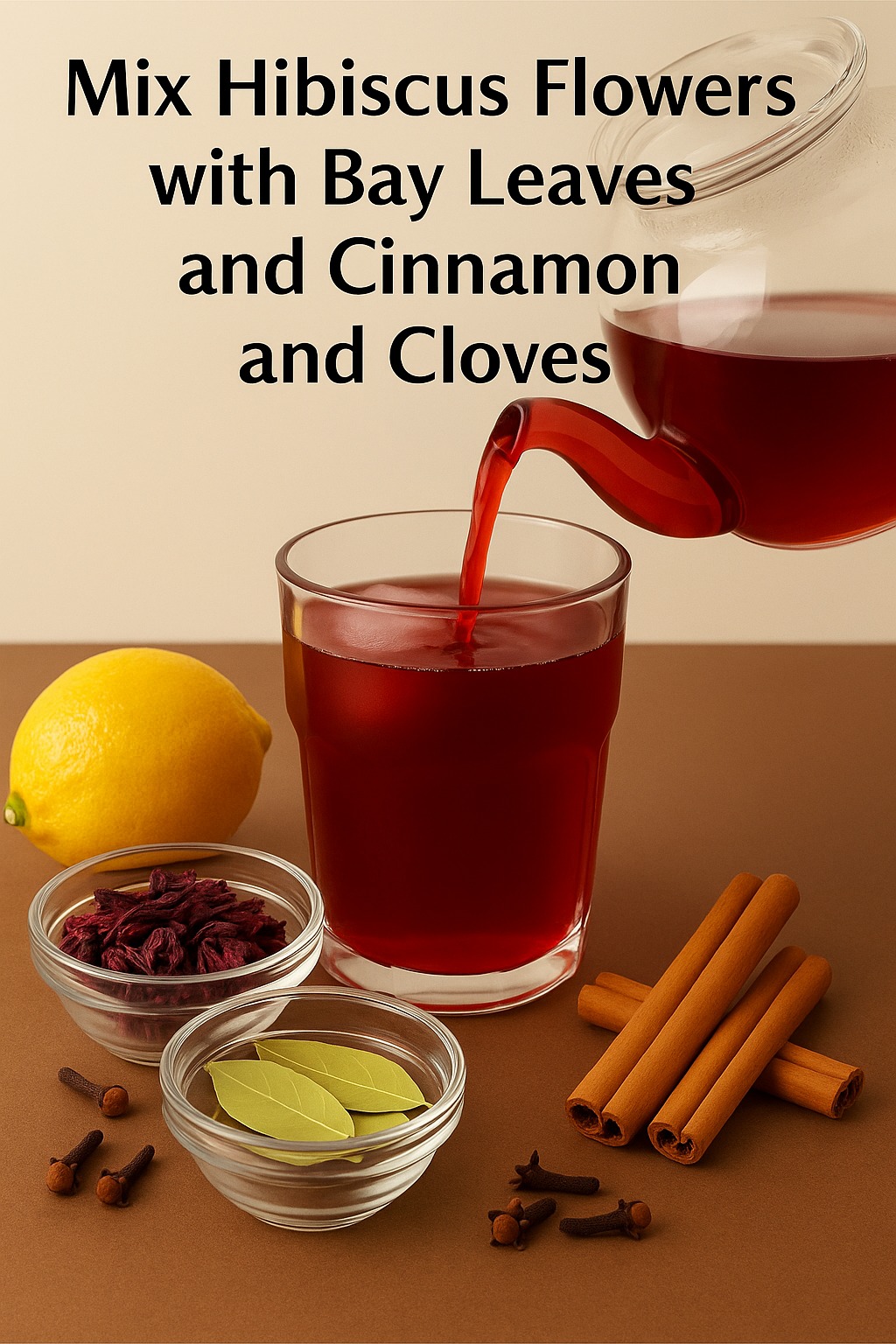
🌺 Hibiscus Tea – A Natural Support for Blood Pressure & Heart Health
Hibiscus tea is more than just a vibrant, tangy beverage. For centuries, it has been used in traditional medicine across Africa, Asia, and the Caribbean. Modern research now confirms what our ancestors already knew: hibiscus tea can play a role in supporting cardiovascular health, especially for those with high blood pressure.
🌿 Why Hibiscus Tea Works
The deep red petals of the hibiscus flower are packed with:
Antioxidants (flavonoids & anthocyanins): These compounds help reduce oxidative stress and protect your blood vessels.
Natural diuretics: Hibiscus may encourage the body to flush out excess sodium and fluids, easing pressure on the heart.
Vasorelaxant compounds: Certain bioactive substances in hibiscus help relax and widen blood vessels, improving blood flow and lowering blood pressure.
🌟 Key Health Benefits
Supports Healthy Blood Pressure
Multiple studies show hibiscus tea can modestly lower systolic and diastolic blood pressure, making it a gentle natural aid for hypertension.
Boosts Heart Health
By reducing vascular resistance and improving circulation, hibiscus tea may lower the risk of cardiovascular strain.
Rich in Antioxidants
Helps protect cells from damage caused by free radicals, slowing down inflammation and aging processes.
May Support Weight Management
Hibiscus tea has been linked to improved fat metabolism and reduced cholesterol absorption.
Aids Digestion
Traditionally, hibiscus tea has been used to relieve bloating and mild digestive discomfort.
Hydrating & Refreshing
A caffeine-free alternative to coffee or processed drinks, hibiscus tea offers hydration with a naturally tangy, cranberry-like taste.
🍵 How to Prepare Hibiscus Tea
Ingredients:
