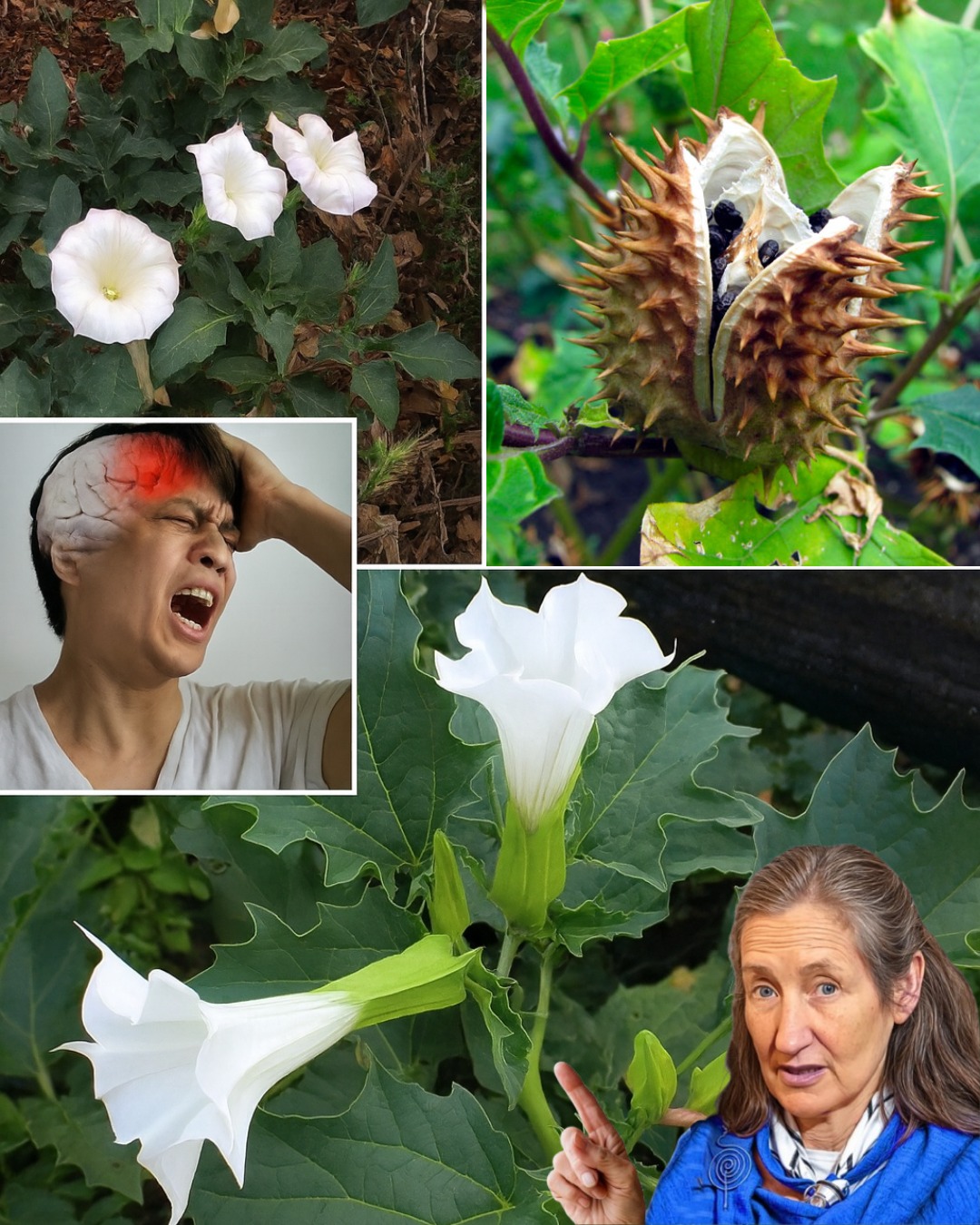
🛡️ Practical Steps to Stay Safe from Datura Stramonium
You don’t have to abandon your love for gardening or nature to stay safe. These practical tips will help seniors protect themselves from Datura stramonium’s dangers:
📖 Learn to Identify the Plant: Look for trumpet-shaped flowers (white or purple), spiky seed pods, and jagged leaves. Use a plant identification app or consult a local gardening expert if unsure.
🧤 Wear Protective Gear: Always use gloves and long sleeves when gardening or clearing weeds to avoid skin contact with unknown plants.
👀 Supervise Pets and Grandchildren: Keep them away from wild or unidentified plants, especially in areas where Datura stramonium grows.
🌱 Avoid Foraging Without Expertise: Stick to store-bought herbs for remedies unless you’re trained in botany.
🗑️ Remove Suspicious Plants Safely: If you spot Datura stramonium in your yard, wear gloves, dig it out, bag it, and dispose of it properly—never burn it, as the smoke can carry toxins.
By taking these precautions, you can continue enjoying your outdoor hobbies with confidence and peace of mind.
🚑 What to Do if You Suspect Datura Stramonium Poisoning
If you or someone else may have been exposed to Datura stramonium, swift action can be lifesaving. Follow these steps to ensure the best outcome:
📞 Call for Help Immediately: Contact 911 or Poison Control at 1-800-222-1222, providing details about the plant and symptoms.
🚫 Do Not Induce Vomiting: This can worsen the situation, especially for seniors with heart or respiratory conditions.
🩺 Seek Medical Care: Treatments like activated charcoal or, in severe cases, physostigmine can counteract toxins, but only a medical professional can administer them.
🌿 Bring a Sample if Safe: If you can safely collect a piece of the plant (using gloves), it can help doctors confirm the diagnosis.
Prompt intervention is critical. Thousands of Datura poisoning cases are treated annually, and early action often prevents severe outcomes, especially for older adults.
🌻 Embracing Safe Gardening as a Senior
Gardening is a joyful way to stay active, reduce stress, and connect with nature—especially for seniors. The key is to cultivate a safe environment by choosing non-toxic plants like marigolds, lavender, or sunflowers, which are both beautiful and senior-friendly. Local gardening clubs or extension services can provide tailored advice on safe plants for your region.
Staying curious about nature is a gift, but it comes with a responsibility to stay cautious. Share this knowledge with gardening friends, family, or neighbors to create a safer outdoor experience for everyone. By understanding the risks of Datura stramonium, you can protect yourself and your loved ones while nurturing your passion for gardening.
💬 Why Awareness Matters
Datura stramonium’s beauty is a trap, but knowledge is your shield. This plant’s toxic nature doesn’t discriminate, posing risks to seniors, children, and even pets. By learning to recognize its appearance, understanding its dangers, and taking simple precautions, you can enjoy the outdoors without fear. Whether you’re a seasoned gardener or a nature enthusiast, staying informed empowers you to make safe choices.
Explore more gardening and health tips on our site to keep your hobbies thriving. Share this article with a fellow gardener to spread awareness and keep your community safe. Together, we can celebrate nature’s beauty while steering clear of its hidden dangers.Buy vitamins and supplements
ℹ️ Disclaimer
This article is for informational purposes only and does not substitute professional medical advice. Always consult your doctor before making health-related decisions or if you suspect exposure to toxic plants.
