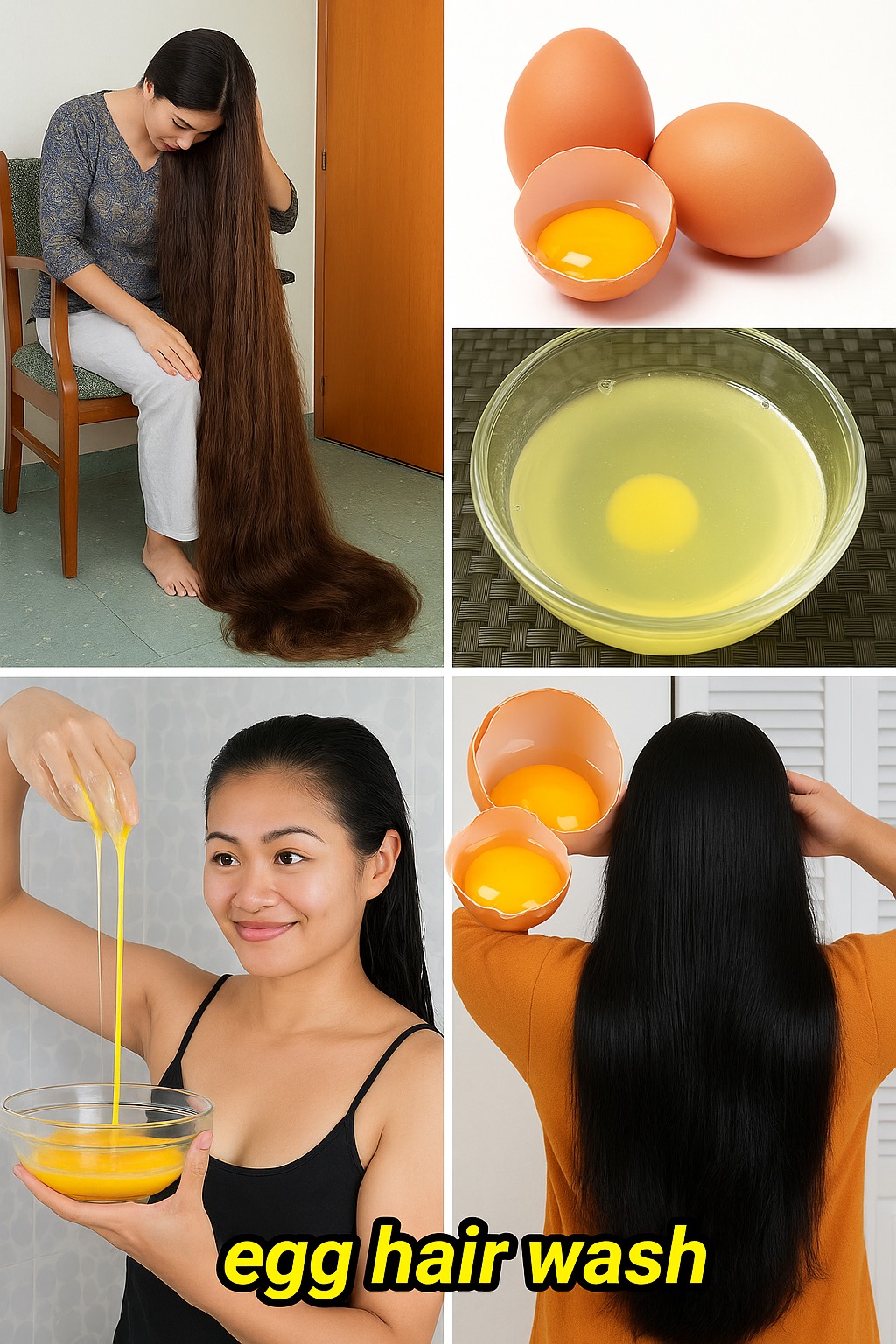
For Oily Hair: Use only egg whites to control excess oil while strengthening strands.
For Dry Hair: Use whole eggs or just yolks for maximum moisture and nourishment.
For Normal Hair: Combine whole eggs with olive oil or yogurt for a balanced boost.
Frequency: Apply the mask once a week for consistent results.
✅ Pro Tips for Maximum Hair Benefits
Cool Water Rinse: Always use cool or lukewarm water to rinse the mask, as hot water can cook the egg, leaving residue in your hair.
Add Nourishing Ingredients: Enhance your mask with a teaspoon of honey for extra shine or aloe vera gel for soothing scalp benefits.
Test for Allergies: Apply a small amount to your inner wrist before using to ensure you’re not sensitive to eggs.
Massage the Scalp: Spend 2–3 minutes massaging the mask into your scalp to boost circulation and stimulate follicles.
Follow with Conditioner: After shampooing, use a lightweight conditioner to lock in moisture and keep hair soft.
⚠️ Safety Considerations for Optimal Use
Egg masks are safe for most people, but a few precautions ensure the best experience:
Allergy Check: Eggs are a common allergen, so test the mask on a small patch of skin before applying to your scalp.
Fresh Eggs Only: Use fresh, high-quality eggs to avoid contamination or unpleasant odors.
Avoid Scalp Irritation: If you have sensitive skin or conditions like eczema, consult a dermatologist before use.
Clean Thoroughly: Rinse and shampoo carefully to prevent residue buildup, which can weigh hair down.
🌍 A Timeless Tradition of Hair Care
Eggs have been used for hair care across cultures for centuries. In ancient Egypt, eggs were mixed with oils to nourish royal tresses, while in traditional European remedies, they were prized for strengthening brittle hair. Today, science backs what our ancestors knew: eggs are a natural, nutrient-rich solution for healthier hair. By using an egg mask, you’re tapping into a legacy of beauty and wellness that’s stood the test of time.
💇 What to Expect from Your Egg Mask Journey
Here’s a timeline of what you might notice with weekly egg mask applications:
🕒 Week 1–2: Smoother, Shinier Hair
Your hair feels softer and looks glossier as the mask’s fats and proteins hydrate and strengthen strands.
🕔 Week 3–4: Reduced Breakage
Shedding slows, and hair feels stronger, with fewer split ends and less frizz.
🕕 After 6–8 Weeks: Fuller, Thicker Appearance
With consistent use, hair appears fuller, and your scalp feels healthier, supporting natural growth.
🌟 Boost Your Results with These Hair-Healthy Habits
To maximize the benefits of your egg mask, pair it with these practices:
Eat for Hair Health: Include protein-rich foods like fish, nuts, and beans to support keratin production.
Stay Hydrated: Drink plenty of water to keep your scalp and hair hydrated from within.
Manage Stress: High stress can trigger hair loss, so practice relaxation techniques like meditation or yoga.
Gentle Hair Care: Avoid heat styling and harsh shampoos to prevent damage and preserve your hair’s natural oils.
Buy vitamins and supplements
🌿 Why Egg Masks Are Your Hair’s Ultimate Ally
The egg hair mask is more than a DIY remedy—it’s a natural, affordable path to stronger, fuller, and shinier hair. With its rich blend of biotin, proteins, and nourishing fats, it addresses breakage, dryness, and thinning at the root. Easy to make and gentle on your scalp, this mask transforms hair care into a soothing, empowering ritual. Whether you’re battling hair loss or simply want a healthier mane, eggs offer a solution that’s as effective as it is accessible.
Ready to crack open the secret to gorgeous hair? Grab an egg, whip up your first mask, and commit to a weekly routine. Feel the difference as your strands become smoother, stronger, and more vibrant. With every application, you’re not just caring for your hair—you’re embracing a natural tradition of beauty and vitality. Start today, and let your hair shine like never before!
Disclaimer: This article is for informational purposes only and does not replace professional medical advice. Consult a qualified healthcare provider for personalized guidance.
