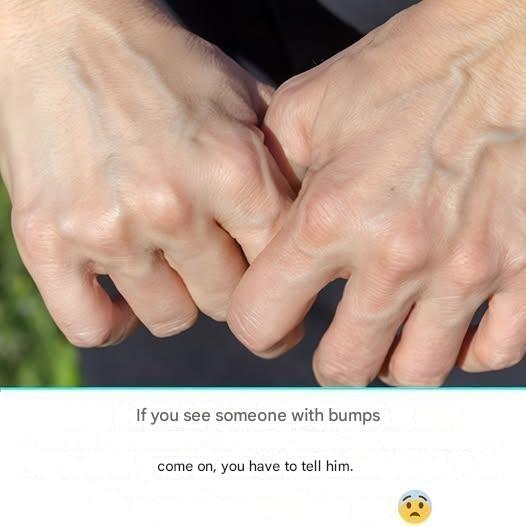
Recognizing the symptoms of varicose veins.
An older woman’s hand.
Source: Pexels.
Varicose veins, the larger counterpart of telangiectasias, require immediate medical attention. These larger, bulging veins cause a range of symptoms beyond their appearance. Patients often experience pain, heaviness, or a burning sensation in the affected areas. The legs may feel tired or numb, especially after standing or sitting for a prolonged period. People with varicose veins often experience swelling around the ankles and lower legs.
Some people experience itching or irritation of the skin around the affected veins. The skin may take on a leathery texture or develop a brown or reddish discoloration. These symptoms usually worsen over the course of the day and are relieved by elevating the leg or resting.
Risk factors for developing varicose veins.
Close-up of a person holding their belly.
Source: Pexels
Many factors increase the likelihood of developing varicose veins over the course of a lifetime. Family history plays a significant role, as genetic predispositions influence the condition of the vein wall and its degradation. Studies have shown that women are twice as likely to develop varicose veins as men. This increased susceptibility is due to hormonal changes that occur in women at different stages of life.
Excess weight puts additional pressure on the veins in the legs, restricting blood flow to the heart. Age remains the most important risk factor, with nearly 40% of women and 20% of men experiencing serious venous problems by age 50.
Learn more: 3 scientifically proven tips for getting rid of varicose veins on the legs
Potential complications of untreated spider veins.
A doctor’s hand in a white glove shows dilated blood vessels through a magnifying glass. An elderly woman with spider veins on her legs. Rear view. Concept of varicose veins. Source: Shutterstock.
Although spider veins usually don’t require treatment, neglecting varicose veins or dilated veins can lead to serious health complications. Chronic venous insufficiency develops when damaged veins are unable to effectively return blood to the heart. This condition causes persistent swelling and skin lesions in affected individuals.
One of the most serious complications that can occur from untreated dilated veins is venous ulcers. These open sores
