Treatment Options
The good news is that plantar fasciitis can usually be treated without surgery. Common methods include:
Rest: Reducing activities that aggravate heel pain.
Stretching exercises: Especially for the calf muscles and plantar fascia.
Ice therapy: Applying ice packs to the heel to reduce inflammation.
Supportive footwear: Shoes with good cushioning and arch support.
Orthotic inserts: Custom-made or over-the-counter arch supports.
Anti-inflammatory medications: Such as ibuprofen, to manage pain and swelling.
In severe cases, doctors may recommend physical therapy, corticosteroid injections, or extracorporeal shock wave therapy. Surgery is considered only when other treatments fail.
Prevention Tips
Wear supportive shoes, especially on hard surfaces.
Avoid walking barefoot on floors for long periods.
Stretch your feet and calves regularly.
Maintain a healthy body weight to reduce pressure on your feet.
Replace worn-out shoes frequently.
Conclusion
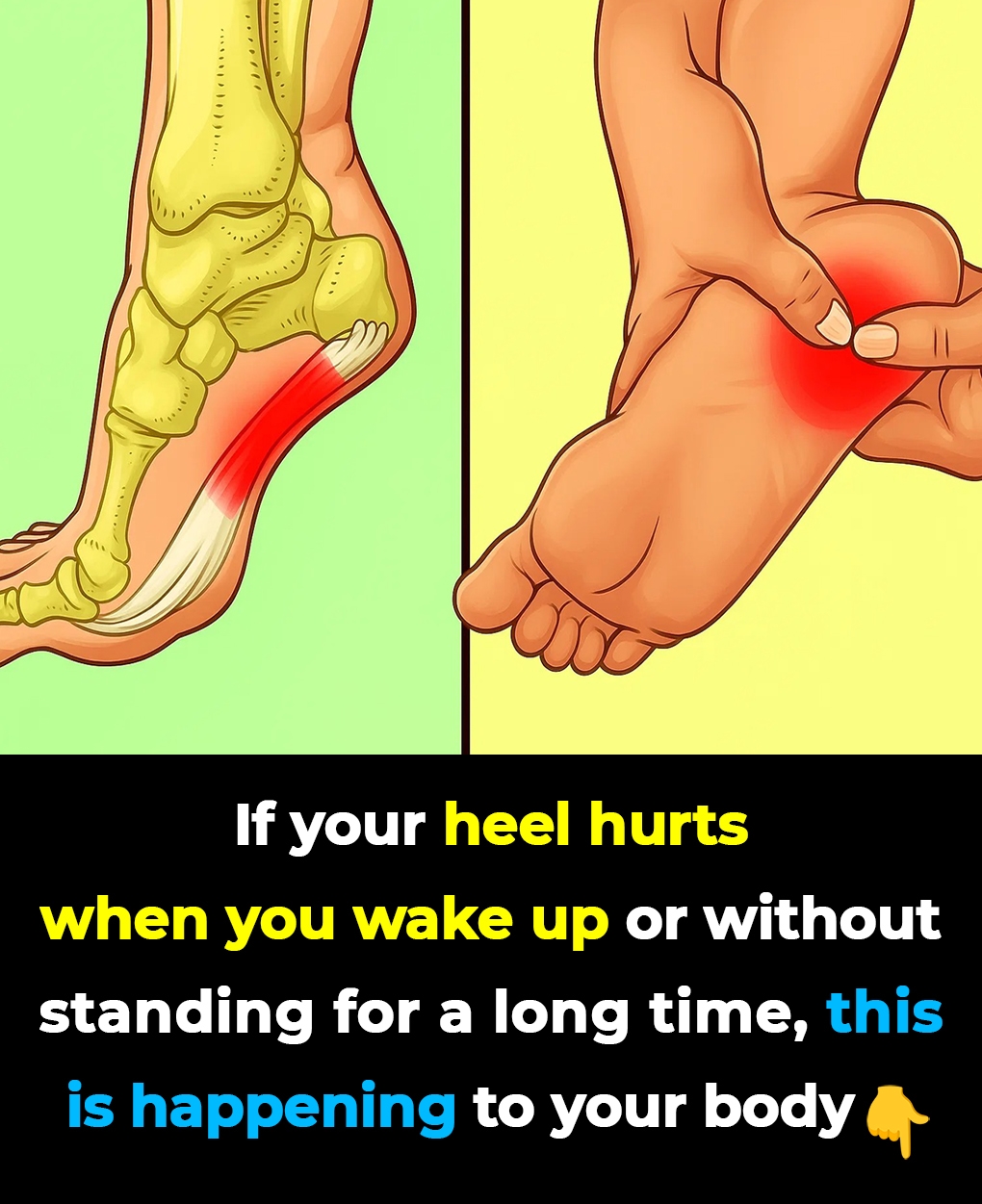
Heel pain in the morning or after rest is often a sign of plantar fasciitis, a condition caused by stress and inflammation of the plantar fascia ligament. While it can be frustrating and painful, simple lifestyle changes, proper footwear, and targeted exercises can help manage symptoms and prevent recurrence. If the pain persists, consulting a healthcare professional is essential for proper diagnosis and treatment.
